Attention to Detail
Customer Driven
ATEX Compliant
Quality Assured
Innovatively Engineered

WELCOME TO
Suppliers of explosion-protected equipment and components for hazardous area applications including MOD specs, specialising in ATEX Directive 2014/34/EU compliant conversions of material handling equipment.
Design
CompEx certified expert designers ensuring safety and quality.
Support
Customer oriented team with excellent pre and post sales support.
Experienced
15+ years of proven expert engineering and knowledge in explosion protection.
UK Based
British company with sites across the UK.
ATEX EXPERTS READY TO CUSTOMISE SOLUTIONS FOR YOUR UNIQUE PROJECTS
SERVICES & PRODUCTS
With over 15 years of experience in the ATEX industry, we bring deep technical expertise to every project. Having successfully delivered over 500 ATEX projects—from initial design through to build and commissioning — we understand the complexities of hazardous area compliance and performance. Our comprehensive range of products and services is tailored to all industries operating in explosive environments.
WHY YOU NEED OUR SERVICES
IF YOU OPERATE MHE IN A HAZARDOUS AREA, YOU NEED ATEX PROTECTION
Below are some of the hazards present on an unprotected forklift truck operating in a potentially explosive atmosphere.
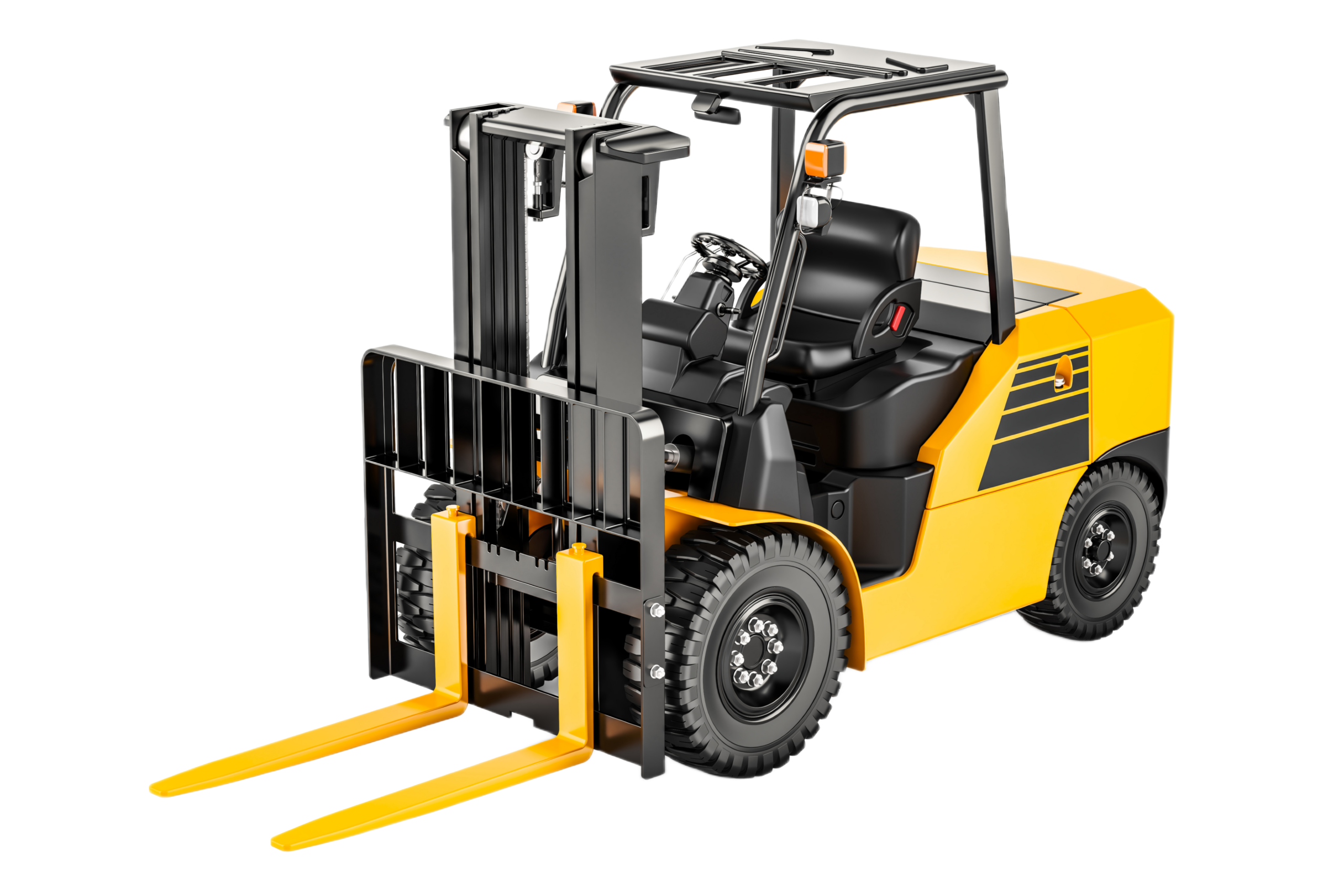
Forks
Forks can cause mechanical sparking due to the friction in normal operation.
Tyres and Plastics
Rolling tyres and frequent contact with plastics can build-up dangerous levels of electrostatic charge, which can then dissipate and create a powerful spark.
Steering Wheel
Steering wheel and levers are in constant contact with the operator and can build-up dangerous levels of electrostatic charges.
Seat and Armrest
Seat and armrest are in constant contact with the operator and can build-up dangerous levels of electrostatic charges.
Lights and Sounders
Lights and especially sounders can cause electrical sparking and ignite a potentially explosive environment.
Control Electronics
Unprotected electrical and electronic equipment can cause powerful electrical sparks and become a dangerous source of ignition.
Batteries or Engine
Batteries or engine can cause sparking or provide sufficient heat energy for the ignition of an explosive envirnoment.
ZONE 2 MHE PROTECTION
YOUR TWO OPTIONS FOR ZONE 2 CONVERSION
There are two routes for protection available under BS EN 1755:2015 for Zone 2. The principles of protection are fundamentally different so an informed choice is critical.
Always protected
No matter what
Passive protection is the only method allowed under Zone 1. It is a higher level of protection for a higher risk environment. Under this protection method, all the components on the MHE that can potentially cause an explosion are protected. A similar, but lighter, version of this protection for Zone 2 means that in the unlikely event of gas release the equipment will remain operable.
A passive system allows the driver to continue to operate the MHE even in the event of an accident causing a gas release, as the operator can move the MHE to a safe area. Flametec can also combine a passive system with the added benefits of gas detection if the customer requires an alert for gas release.
Advantages
- Complete protection of MHE parts
- No gas system parts to maintain
- Instant start of MHE
- Minimal changes to OEM schematic
- Will operate in gas environment
Disadvantages
- Modified OEM parts may have longer lead times
- No alarm for gas release
Advantages
- Limited modification of OEM parts
- Operator alerted of gas release
Disadvantages
- More proprietary parts to maintain
- Consumable gas bottles typical
- Can require regular calibration
- MHE inoperable in gas environment
Threat Detection
Using a Gas Detection System
Active protection utilises a gas detection system. This is only available for Zone 2 since the presence of gas is not normally expected and shutting down all relevant systems achieves the level of safety required. Gas detectors are installed at the extremities of the equipment. The system checks for gas when the equipment is energised and only allows operation if no gas is detected. If gas is detected at any point, before or during operation, the system disconnects the battery from the rest of the truck and will remain isolated until the gas source has been removed.
In the event of gas release around the MHE, a series of alarms inform the operator so the load can be made safe and the MHE moved to a safe area. If the alarms are not acted upon in good time or the gas release is swift, the MHE is isolated in a safe condition and remains inoperable.
LATEST PROJECTS
Our bespoke solutions with a sole focus on ATEX
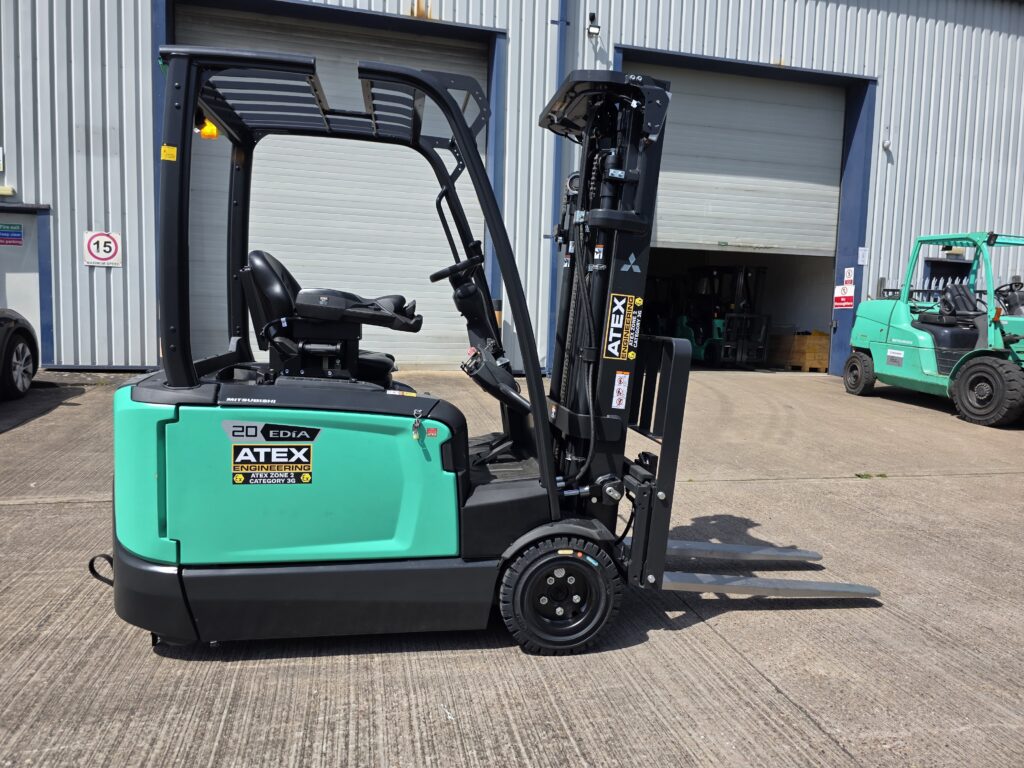
PR0179 – Zone 2 FB20N2T
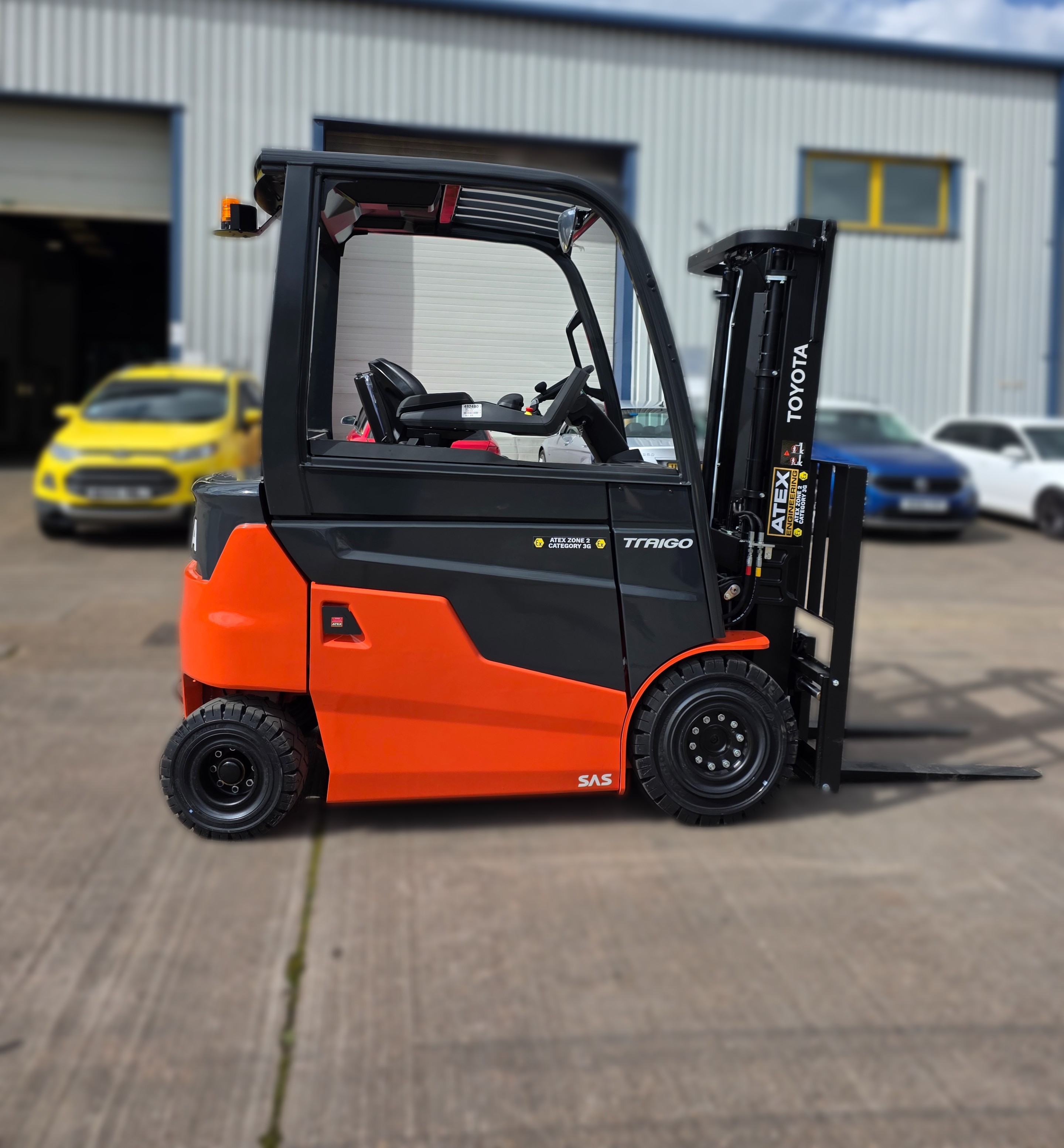
PR0178 – Zone 2 Toyota 9FBMK25T
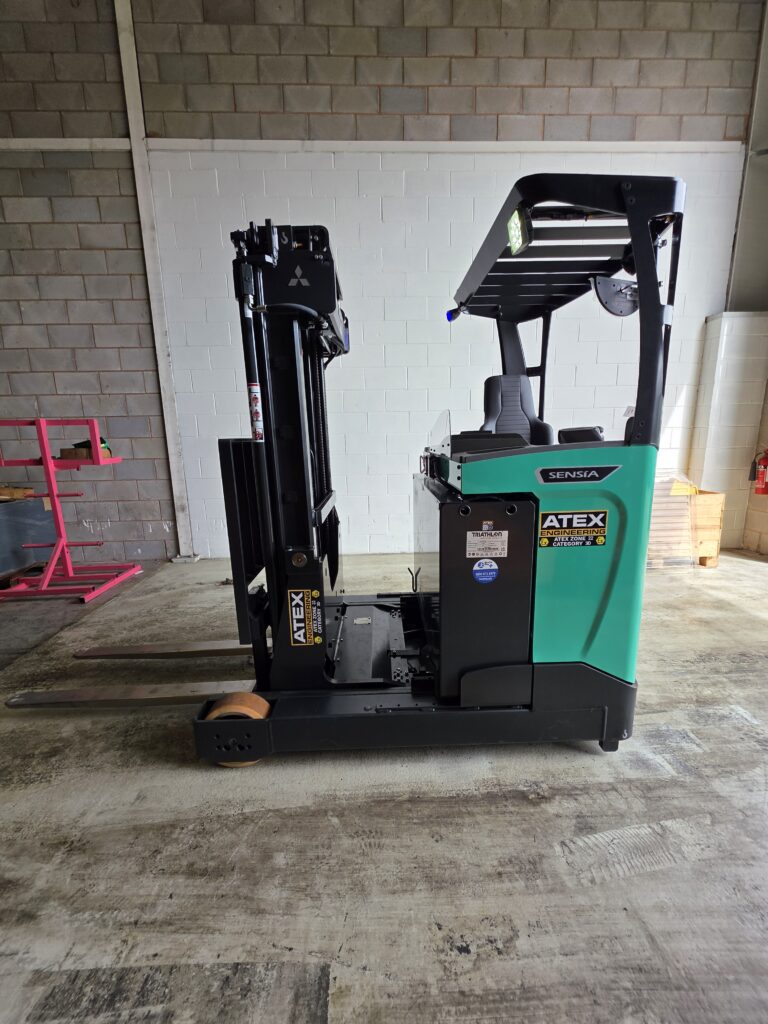
PR0142 – Zone 22 Mitsubishi RB20N3
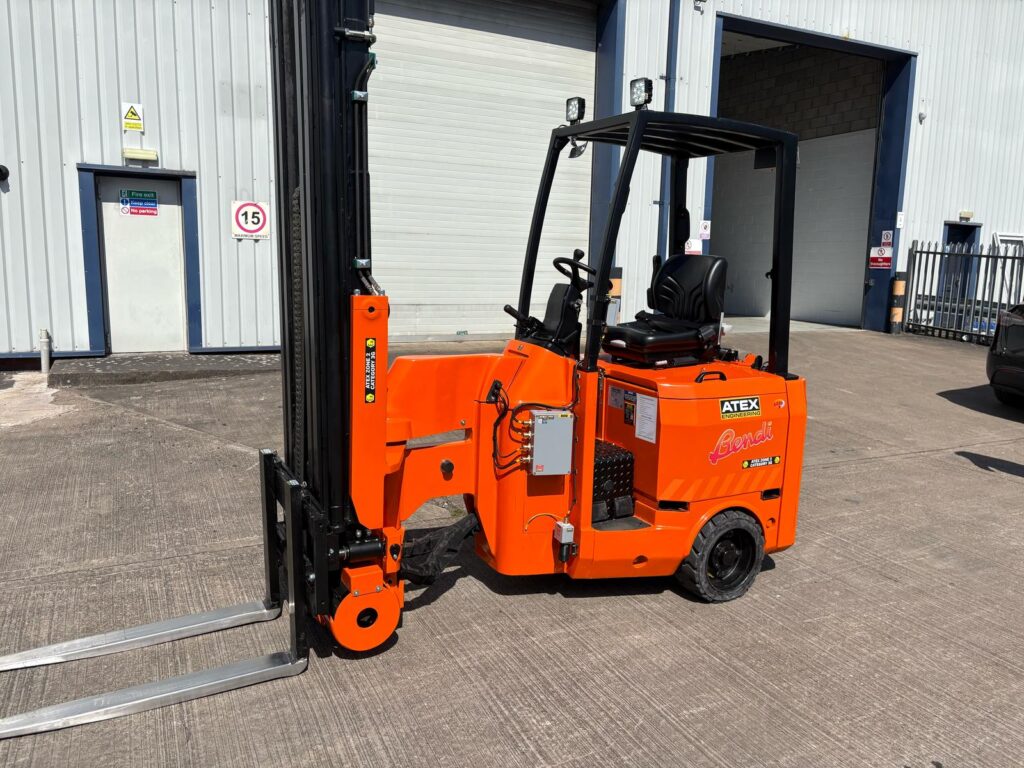
PR0109 – Zone 2 Bendi315
Get in touch
A trusted name in hazardous area protection with ATEX products operating across the globe
CONVERSION SITE
ATEX Engineering
Unit 61, Winpenny Road
Newcastle-under-Lyme
ST5 7RH, United Kingdom
UAE Office
ATEX Engineering
1403-B1, Al-Khor Towers
Anas Bin Malik St. Rashidiya 1
Ajman, UAE
GET A QUOTE
SALES@ATEXENGINEERING.CO.UK
+44 (0) 7963518577
RFQ form required for material handling inquiries.